
Switzerland’s participation in European research infrastructure networks
Switzerland is a member of several European research infrastructure networks known as European Research Infrastructure Consortia (ERICs). Enjoying special legal status, ERICs enable national research infrastructures to work together, thus facilitating research cooperation across Europe.
National nodes and international networking
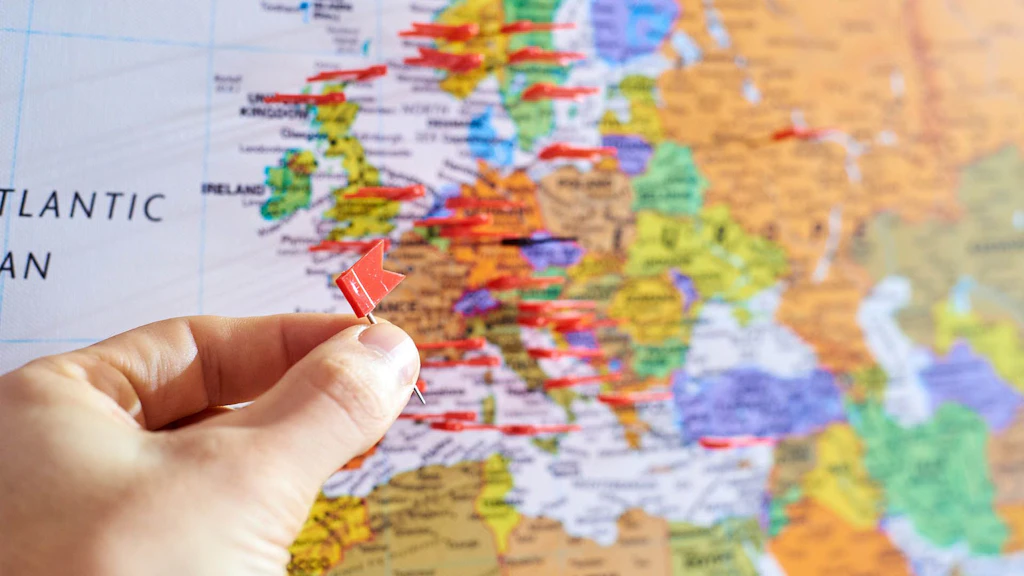
European research infrastructure networks are comprised of national research infrastructures and networks spread over various countries in Europe. Most networks have a central hub and national nodes, which are housed at universities and research institutes. Research infrastructure networks standardise and coordinate services, resources (e.g. research data) and the use of instruments. International networking allows synergies to be exploited and national resources to be used more effectively.
ERIC legal form
The European Union introduced a new legal form ‘European Research Infrastructure Consortium (ERIC)’ in 2009 to simplify the creation and operation of such research infrastructure networks. Under the ERIC legal personality, different categories of participation are recognised: EU member states, associated third countries, non-associated third countries and intergovernmental organisations.
Swiss membership in ERICs
Switzerland is a member of a number of ERICs. Research communities based in Switzerland can therefore make active and long-term use of these networks and develop their scientific activities in a coordinated fashion. The decision on whether Switzerland should become a member of a given European Research Infrastructure Consortium (ERIC) rests with the Federal Council.
SERI provides guidance to national research infrastructures in preparation for membership and represents Switzerland in ERIC bodies. During its deliberations on the ERI Dispatch, parliament may take a stance on the planned memberships.
Swiss memberships
Switzerland is a member of the following nine ERICs:
- ACTRIS ERIC (Aerosol, Clouds, and Trace Gases Research Infrastructure)
Swiss node: ACTRIS Switzerland - BBMRI ERIC (Biobanking and Biomolecular Resources Research Infrastructure)
Swiss node: Swiss Biobanking Platform SBP - CESSDA ERIC (Consortium of European Social Science Data Archives)
Swiss node: Swiss Centre of Expertise in the Social Sciences FORS - CLARIN ERIC (Common Language Resources and Technology Infrastructure)
Swiss node: LiRI @ UZH / CLARIN-CH - DARIAH ERIC (Digital Research infrastructure for the Arts and Humanities)
Swiss node: Swiss National Data and Service Center for the Humanities DaSCH - ECRIN ERIC (European Clinical Research Infrastructure Network)
Swiss node: Swiss Clinical Trial Organisation SCTO - EPOS ERIC (European Plate Observing System)
Swiss node: ETH Zürich / Swiss Seismological Service SED - ESSurvey ERIC (European Social Survey)
Swiss node: Swiss Centre of Expertise in the Social Sciences FORS - ICOS ERIC (Integrated Carbon Observation System)
Swiss node: ETH Zürich / ICOS-CH
Swiss observer status
Switzerland participates in this ERIC as an observer:
- SHARE ERIC (Survey of Health, Ageing and Retirement in Europe)
Swiss node: University of Lausanne / FORS
Swiss procedure to join an ERIC
The procedure to join such a legal entity can be broken down into four steps:
Documentation
Index
State Secretariat for Education, Research and Innovation SERI
ERIC team